



Tea designed for goodnight
Drinking it in the middle of the night still helps me fall asleep.
- Tea Scenting and Imperial Fragrance
Artistic Scent Tea
Enjoy your drink at your leisure, regardless of the time; a wisp of fragrance quietly unfolds.



Make you understand tea better and better
The world of tea is full of mysteries.
Tea Affairs lets you understand tea in ways you didn't know.
01
Do you know how caffeine in tea is produced?
How is caffeine produced in tea? Tea contains caffeine, and different types of tea have different caffeine content. What factors cause caffeine production during the tea plant's growth process? The caffeine content in tea is affected by the following...
02
Temperature is the soul of tea: Why does tea brewed at 85°C taste so different from tea brewed at 100°C?
When brewing tea, water temperature is often the key factor determining whether a cup of tea is "delicious" or "bitter." Many people are used to pouring boiling water directly into the teapot, only to find that expensive teas taste bitter and astringent; while sometimes, lowering the water temperature makes the tea sweet and smooth. This isn't some mystical phenomenon, but rather a sophisticated process...
03
Will drinking tea keep you awake? Learn how to choose low-caffeine teas and the factors that influence this.
Many tea lovers share a common dilemma: they long to enjoy a good cup of tea in the afternoon, but worry about having trouble sleeping at night. Actually, "drinking tea affects sleep" isn't always the case; the key lies in whether you understand the variables of different tea types and brewing techniques...
04
Cold-brewed tea vs. hot-brewed tea: The chemical effects of caffeine and theanine at different temperatures.
Brewing tea is not only an art of living, but also a fascinating chemical extraction experiment. The same tea leaves, when added to ice water or boiling water, result in liquids with vastly different molecular structures. The key lies in the difference in temperature sensitivity between caffeine and theanine...
High-cold tea base
It uses organic, hand-picked high-altitude tea from Shanlinxi, Taiwan, at an altitude of 1600 meters as its base.
Because tea trees grow in high-altitude, low-temperature mountain environments, where humidity is high, clouds and fog are frequent, and sunlight is easily blocked, resulting in less intense and shorter periods of sunshine, caffeine is less easily synthesized and produced during the tea's growth process.
Furthermore, because hand-picked tea retains more tea stems, it releases more theanine into the tea soup. Studies have found that theanine has a synergistic effect with caffeine, inhibiting the stimulating effect of caffeine.
Exclusive production process
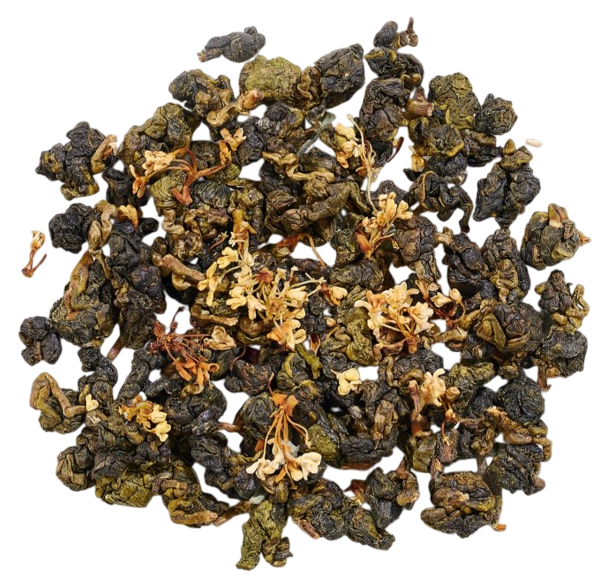
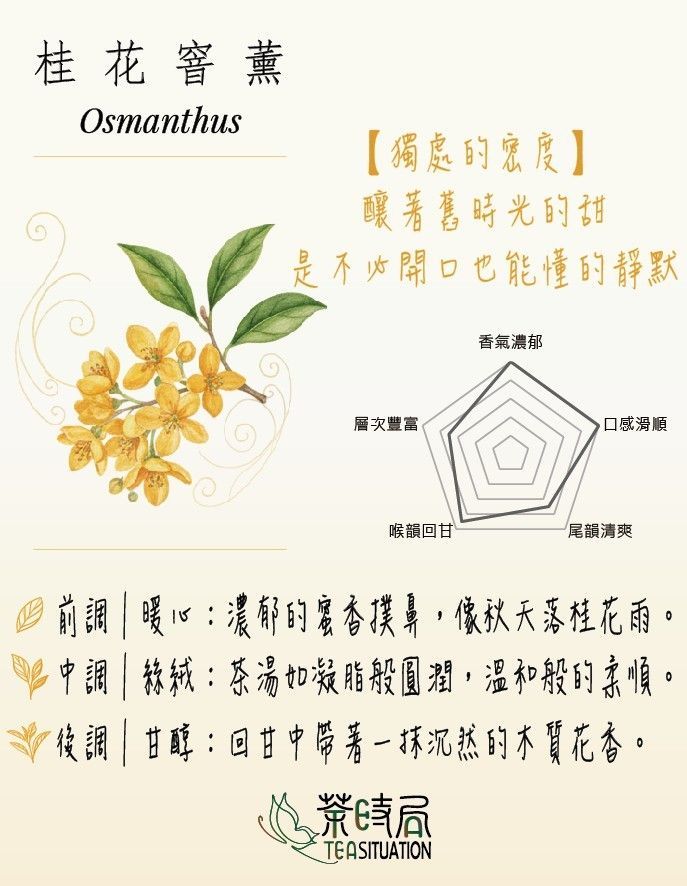
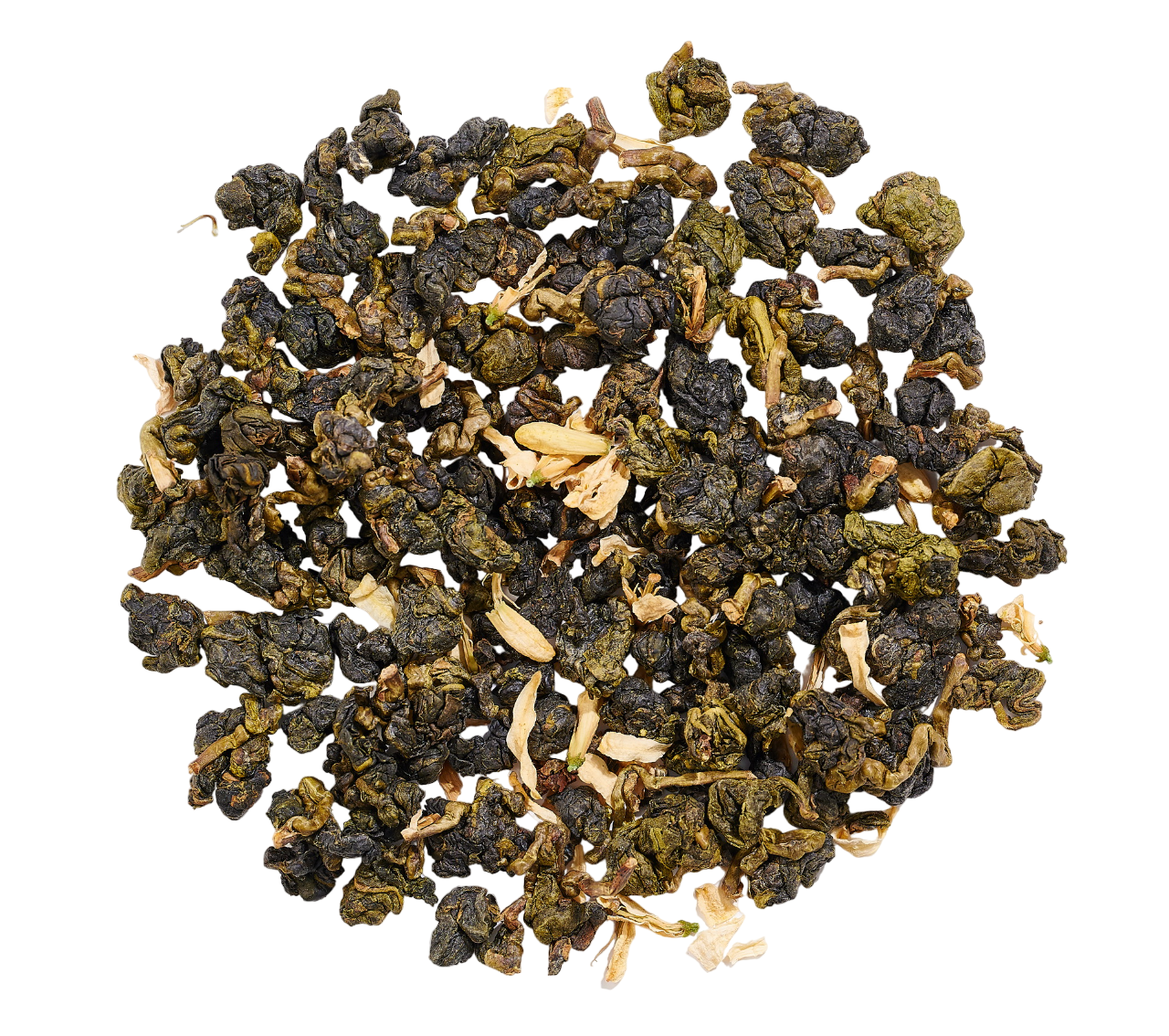
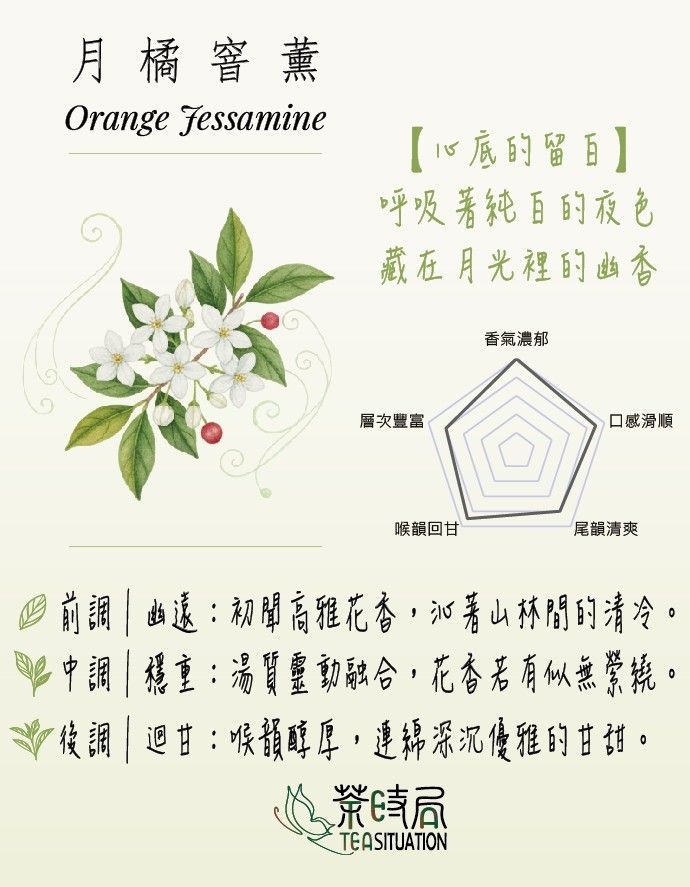
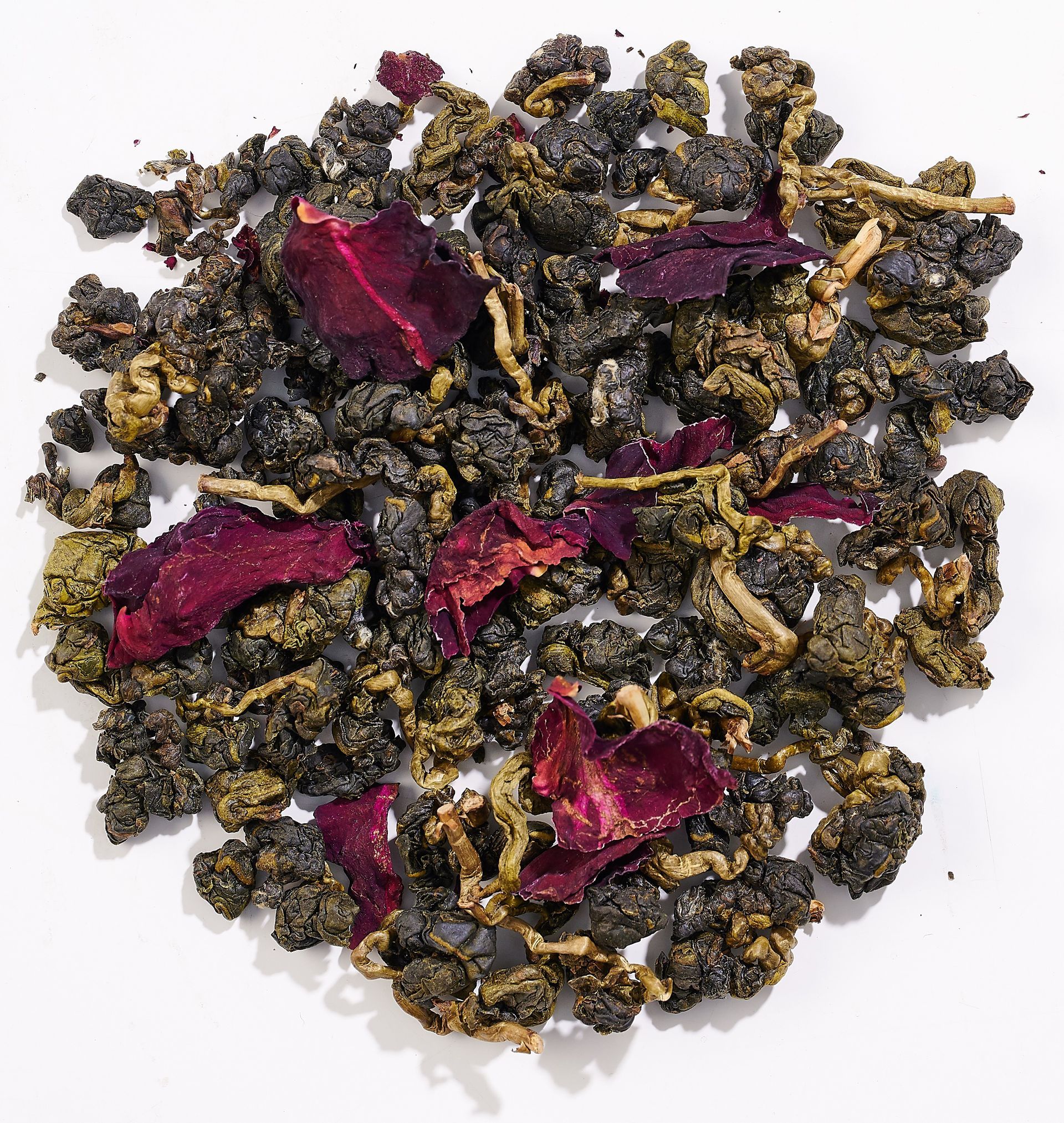
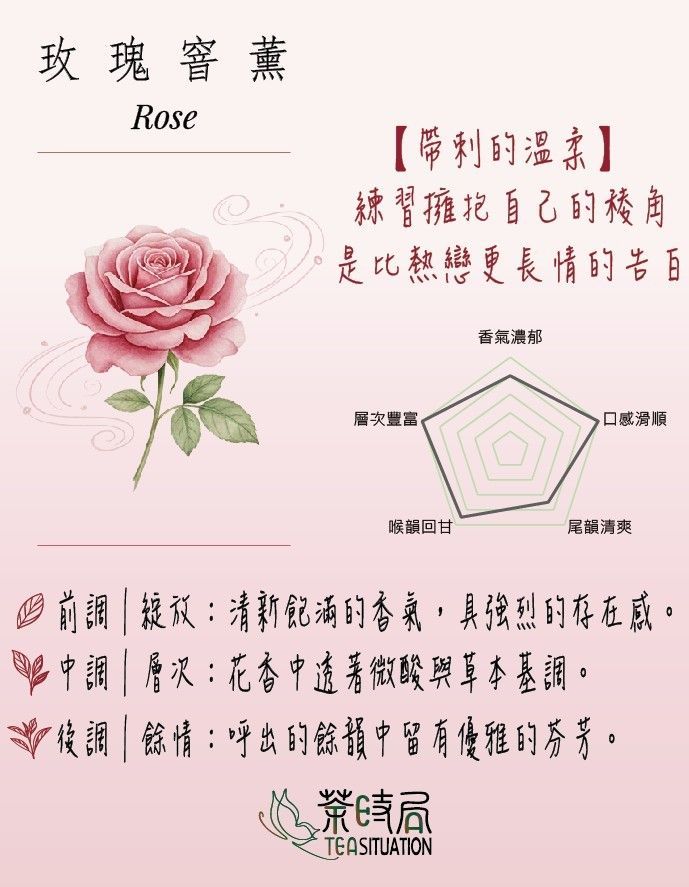
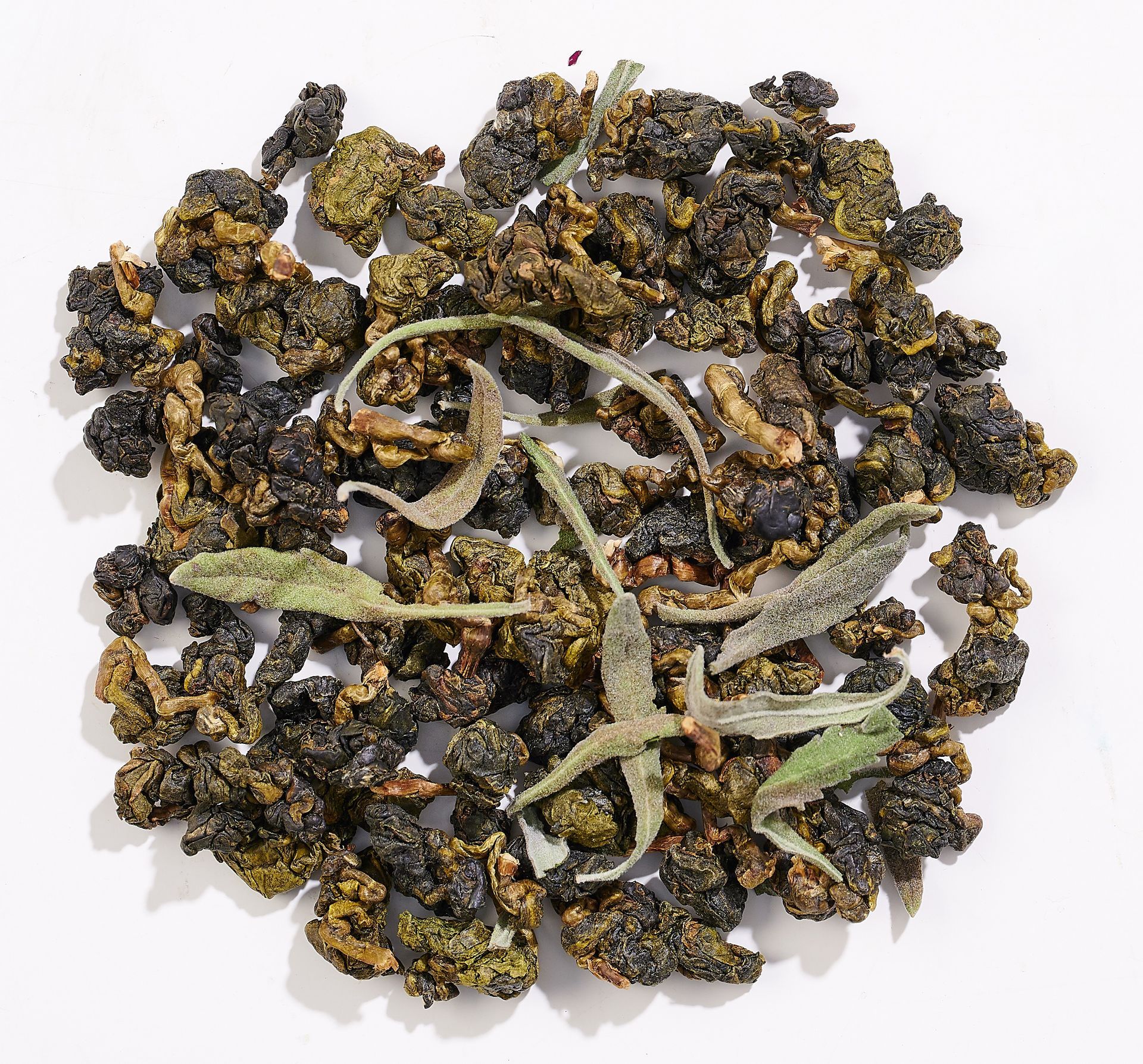
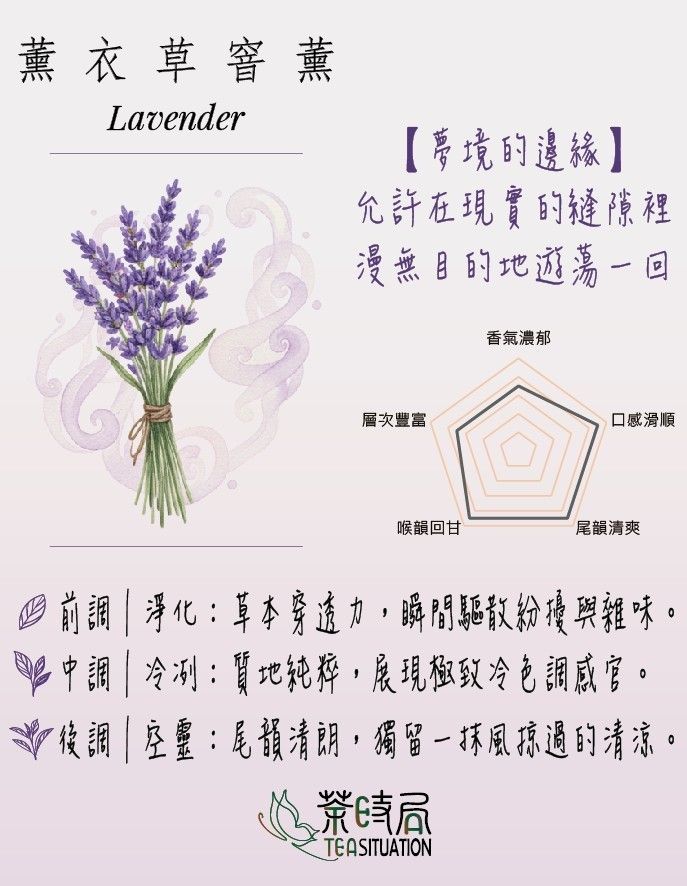
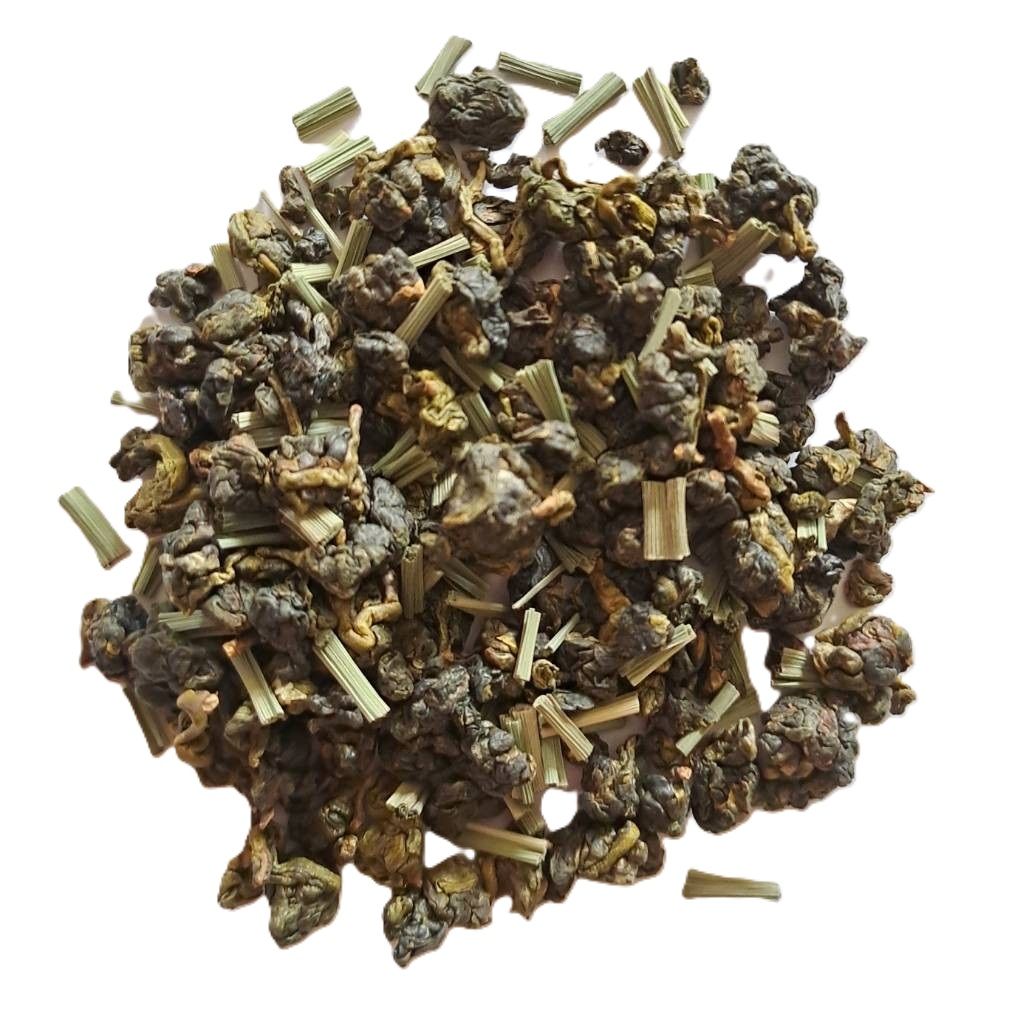
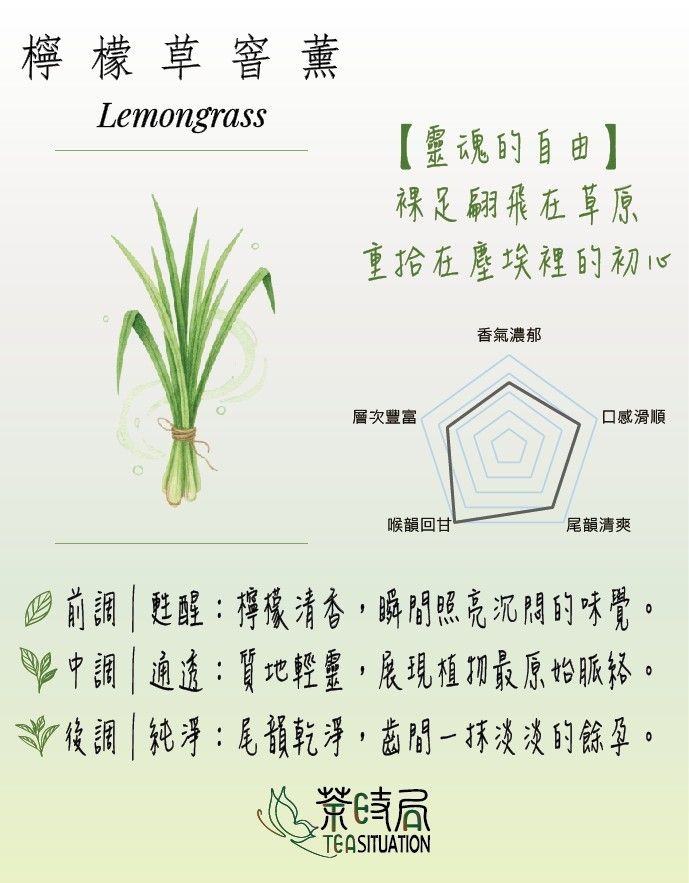
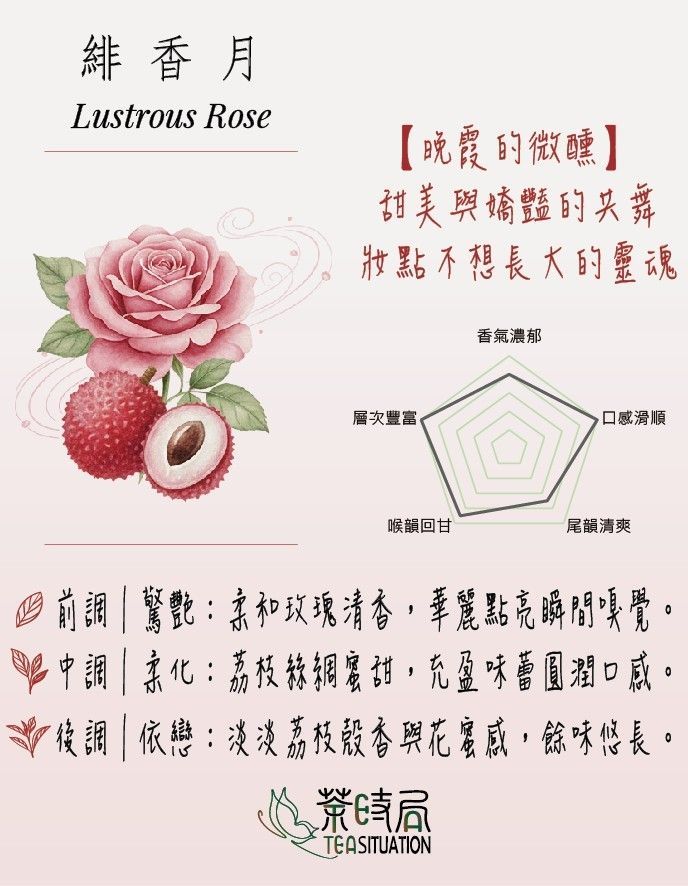
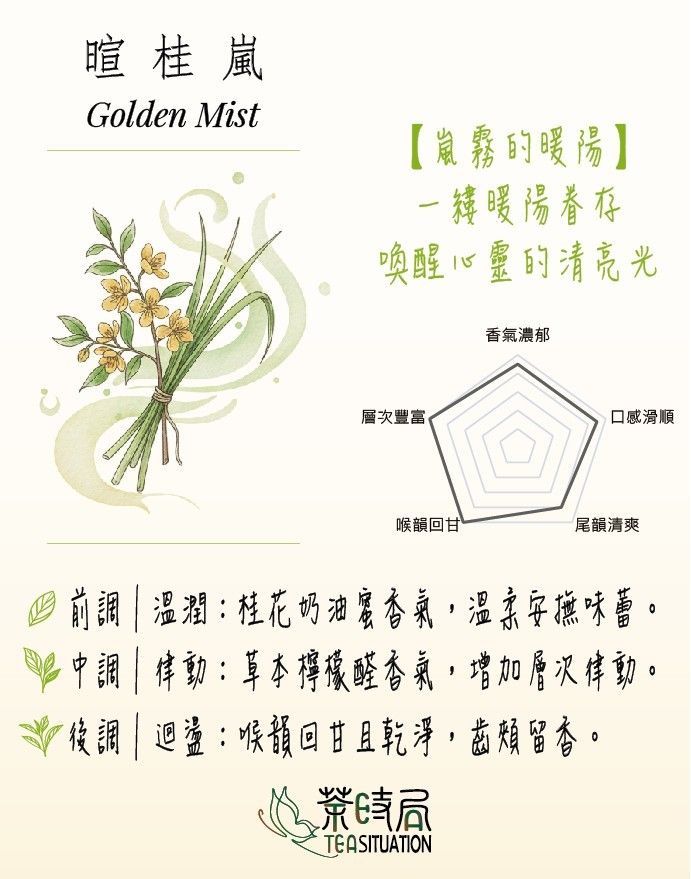
Combining the advantages of British scenting and Chinese scenting techniques with a process exclusively developed by Tea Industry Bureau, a unique method of scenting tea production has been developed. The natural floral and fruity aromas collide with the fragrance and flavor of Taiwanese high-mountain oolong tea, allowing the tea and flowers/fruits to naturally blend into a captivating aroma. Free of artificial flavorings and additives, it is naturally fragrant and has a lingering aftertaste. In addition to its enchanting aroma, the tea soup also has a naturally sweet aftertaste.
The fermentation process during tea production increases the content of polyphenols such as theaflavins and thearubigins. Theaflavins readily bind to caffeine sites, forming larger molecules and thus reducing caffeine absorption.
Tea-specific
Ear-loop filter bags
Tea Time uses a tea-drip filter bag, allowing the tea leaves more space to fully unfurl. This allows the tea soup to not only release a unique floral aroma but also to appreciate its elegant fragrance and aftertaste, leaving a naturally sweet aftertaste. When tasting the tea, one can experience the different layers of floral and fruity aromas that develop with each infusion, creating a distinct experience with each brew.
The bitterness in tea mainly comes from caffeine. During the scenting process, the tea undergoes natural fermentation, which produces chemical changes, and then physical changes occur during roasting, which reduces the caffeine content and thus reduces the bitterness in the tea soup.